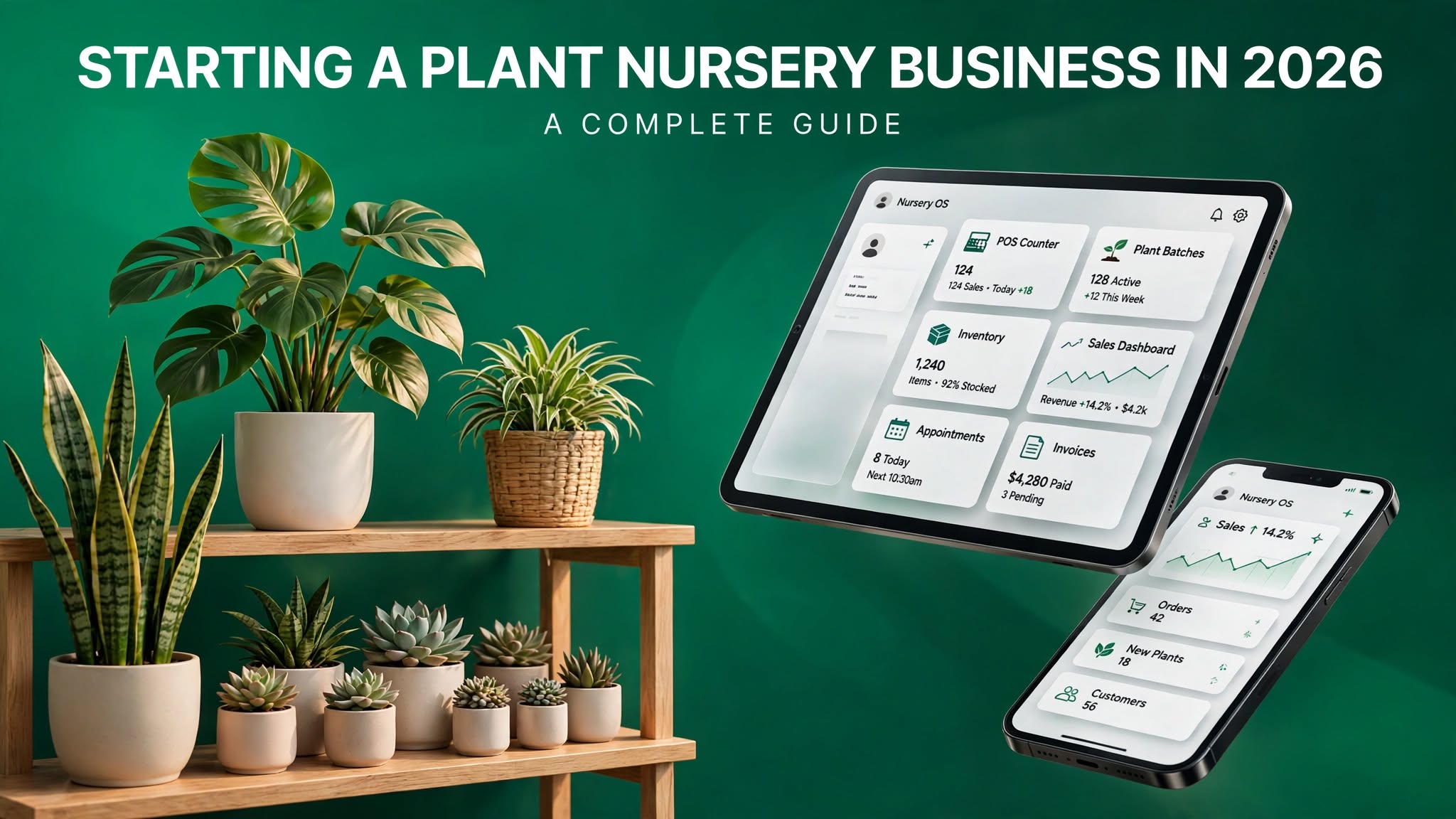
The plant nursery business is no longer just a quiet, seasonal trade run out of a backyard. In 2026, it sits at the intersection of three fast-growing trends: urban gardening, sustainable living, and the booming demand for indoor plants driven by remote work and wellness culture. For entrepreneurs looking for a business that combines low overhead with genuine long-term demand, a plant nursery remains one of the most resilient options available — provided it is built with the right strategy from day one.
Why 2026 Is a Good Time to Start
Several shifts have converged to make this an especially favorable window for new nursery owners. Climate awareness has pushed both individuals and municipalities toward native and drought-resistant landscaping, creating steady demand for specialized plant stock. At the same time, urban populations continue to embrace balcony gardens, terrariums, and houseplants as a low-cost way to bring nature into small living spaces. Government-backed afforestation and urban greening programs in many regions have also opened up bulk-supply contracts for nurseries that can meet quality and volume requirements.
On top of this, e-commerce has matured to the point where shipping live plants is routine rather than risky. Specialized packaging, faster logistics, and plant-care apps that guide new owners have all reduced the failure rate of mail-order plants, opening a national or even international customer base to nurseries that would once have served only their immediate neighborhood.
Choosing Your Niche
A generic nursery that tries to grow “a bit of everything” struggles to compete with larger operations on price. New nurseries do best when they pick a niche and build a reputation around it. Some proven directions for 2026 include:
• Indoor and low-light houseplants for apartment dwellers
• Native and pollinator-friendly plants for eco-conscious landscaping
• Edible gardening kits — vegetables, herbs, and fruit saplings for home growers
• Succulents and low-maintenance plants for gifting and corporate décor
• Rare or exotic plant varieties for collectors, sold through online auctions or waitlists
Choosing a niche also simplifies everything downstream: inventory planning, marketing message, and even the physical layout of your growing space.
Setting Up Operations
Land and Infrastructure
You do not need acres of land to start. Many successful nurseries in 2026 began on plots as small as a quarter acre, using vertical shelving, shade nets, and drip irrigation to maximize output per square foot. If you are targeting indoor plants specifically, a polyhouse or a converted greenhouse space can be more capital-efficient than open land.
Sourcing and Propagation
Decide early whether you will propagate your own stock from cuttings and seeds or purchase young plants (liners) from wholesale growers and mature them for resale. Propagation gives better margins but requires more time, space, and horticultural skill. Buying liners gets you to market faster and is often the better choice for a first year while you learn demand patterns.
Licensing and Compliance
Requirements vary by region, but most areas require a basic trade license, and some plant categories — particularly those crossing state or national borders — require phytosanitary certificates or nursery registration with the local agriculture department. It is worth checking these requirements before you invest in stock, since compliance issues discovered later can be costly to fix.
Building a Sales Channel
A nursery's sales channel today rarely looks like just a roadside stall. Successful operators in 2026 typically run a mix of the following:
• A local retail presence — a stall, shop, or farmers market booth for walk-in customers
• An online store or marketplace listing for shipped orders
• Instagram and short-form video content showing plant care tips and behind-the-scenes growing
• B2B relationships with landscapers, interior designers, corporate offices, and event planners
• Subscription boxes for recurring plant or seasonal-flower deliveries
Social media in particular has become a primary discovery channel for plant buyers. A well-lit photo of a healthy plant, paired with simple care instructions, consistently outperforms traditional advertising for this category.
Managing Costs and Pricing
Nurseries have a somewhat unusual cost structure: land, water, and labor are ongoing costs, but plant stock itself can take anywhere from a few weeks to several years to become sellable, depending on the species. New owners should budget for this lag carefully, starting with fast-turnaround products (herbs, succulents, seasonal flowers) to generate early cash flow while slower-growing stock — fruit trees, ornamental shrubs — matures in the background.
Pricing should account for the mortality rate that is inherent to growing living things; a healthy margin needs to absorb the plants that don't survive to sale, not just the direct cost of the ones that do.
Common Mistakes to Avoid
• Growing too many varieties before establishing steady demand for any of them
• Underestimating water and labor costs during peak growing season
• Ignoring pest and disease management until an outbreak threatens the entire stock
• Skipping packaging tests before shipping plants long distance
• Delaying an online presence, assuming local foot traffic alone will sustain the business
Looking Ahead
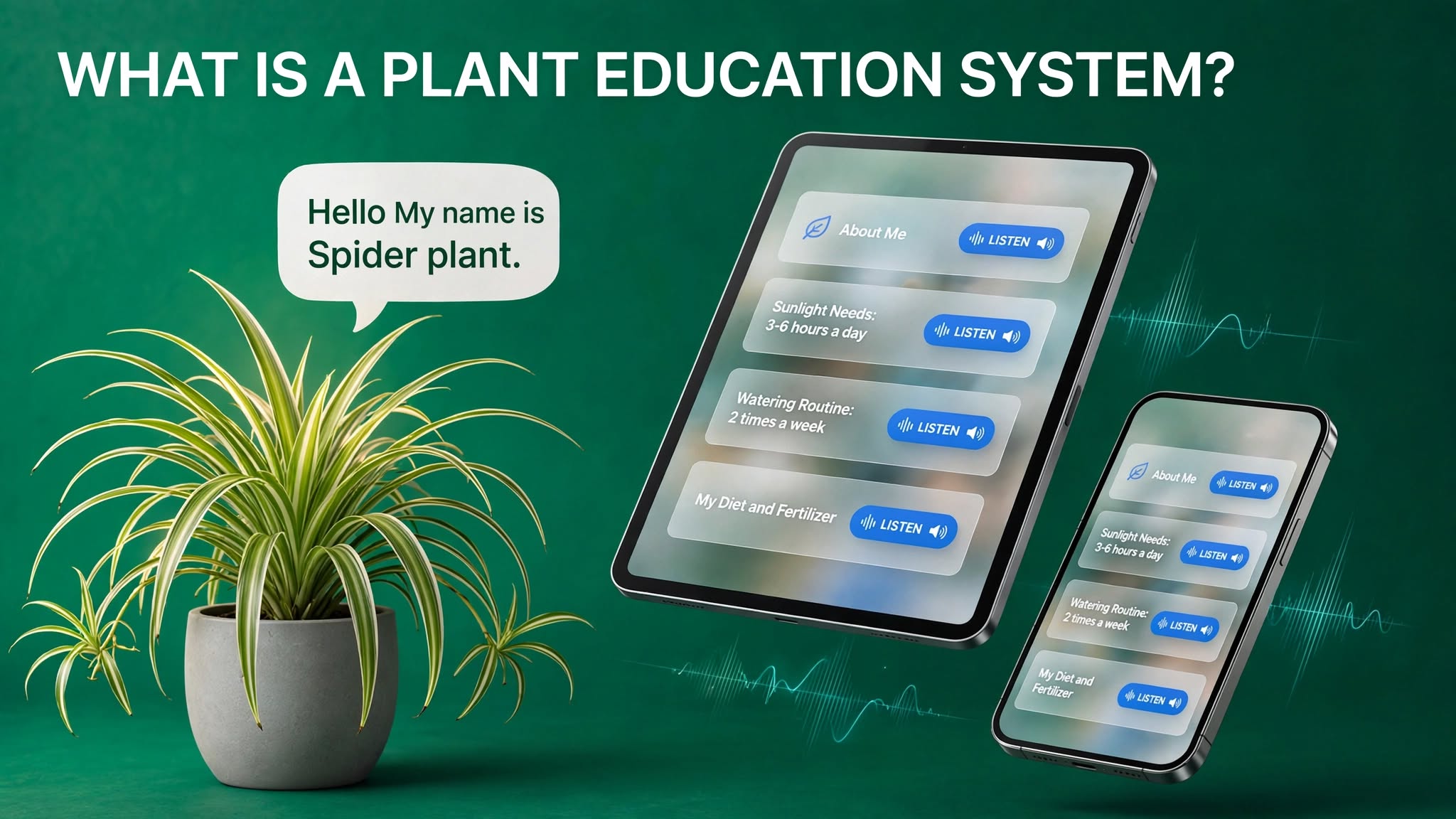
The nurseries that will do well through 2026 and beyond are the ones that treat plant care knowledge as a product in itself — not just the plants. Customers increasingly want guidance, not just a purchase: care instructions, repotting reminders, and troubleshooting help build the kind of loyalty that turns a one-time buyer into a repeat customer and, eventually, a referral source.
Starting a plant nursery in 2026 is not a shortcut to easy money, but for someone willing to combine horticultural patience with modern sales channels, it remains one of the most stable and quietly rewarding small businesses to build.